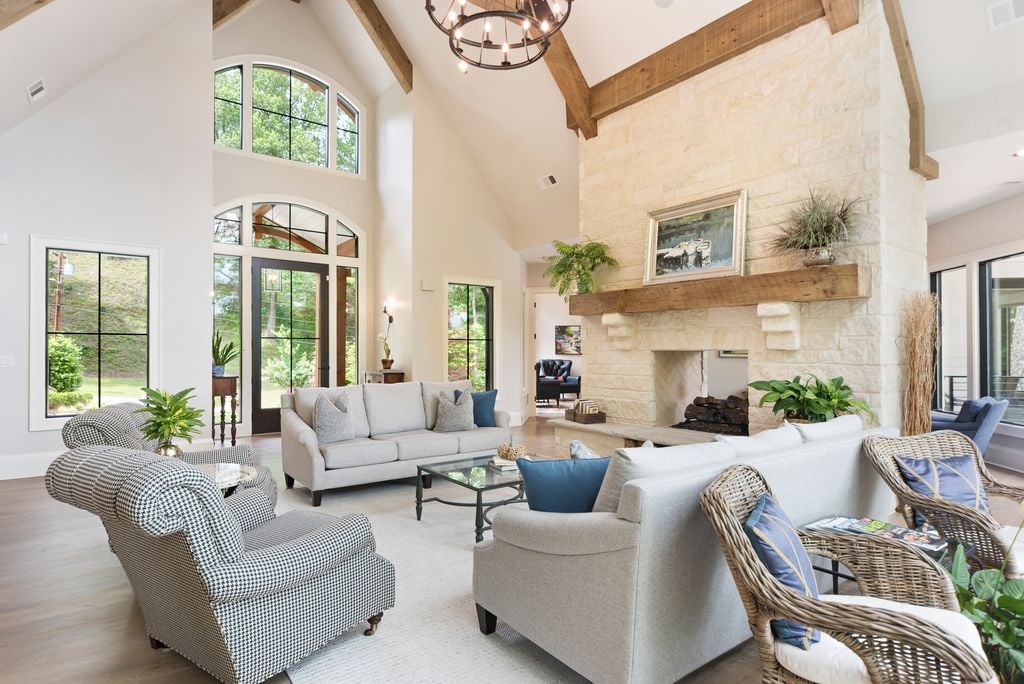
Flipping Houses in Atlanta: What Investors Need to Know Before They Buy
home selling Lindsay Levin April 7, 2026
home selling Lindsay Levin April 7, 2026
Atlanta isn't one real estate market. A renovation that makes sense in Buckhead may make no sense in Sandy Springs, Brookhaven, East Cobb, Smyrna or an intown neighborhood. Even within those areas, buyer expectations and values can change significantly from one neighborhood or street to another.
I work with investors as well as traditional buyers and sellers, and when I'm evaluating a potential flip, I like to start at the end: Who is going to buy this house when we're finished, what will that buyer expect, and what will they realistically pay?
If we can't answer those questions with confidence, we aren't ready to determine what the property is worth to an investor.
One of the biggest mistakes an investor can make is evaluating a property based on broad Metro Atlanta statistics. A renovated ranch in Sandy Springs may appeal to someone who values proximity to Buckhead, established neighborhoods and a usable yard. In Brookhaven, walkability or proximity to Dresden Drive may influence the buyer. An East Cobb buyer may prioritize a completely different combination of neighborhood, lot, home size and location. A Buckhead luxury renovation can involve a much higher end buyer with very specific expectations about architecture, finishes and quality.
Then there are Atlanta's intown neighborhoods, where older housing stock, historic character, walkability and lot constraints create another set of considerations entirely.
That's why I don't think there is a generic formula for an Atlanta flip. The neighborhood helps determine what we're renovating, who we're renovating it for and how much the finished product can realistically support.
Investors naturally focus on getting a good deal when they buy. I think the more important number is the realistic resale value when the project is complete.
You'll often hear investors talk about ARV, or after repair value. The concept is important, but an ARV is only as good as the assumptions behind it. I want to see what renovated homes have actually sold for, not simply the highest sale in the neighborhood. Were those houses truly comparable in size, lot, architecture and renovation quality? How quickly did they sell? Did the sellers make concessions? What is currently competing for the same buyer? Is nearby new construction raising buyer expectations or creating a ceiling for the resale price?
I also want to understand whether the investor is planning a renovation the neighborhood will actually support. Putting $300,000 into a house doesn't automatically make it worth $300,000 more.
The so called 70% rule can be useful as a quick screening tool, but I wouldn't use it as a substitute for actual analysis. Margins vary considerably depending on the neighborhood, price point, financing costs, renovation scope, anticipated holding period and risk. A straightforward cosmetic renovation in a highly desirable neighborhood is a very different investment from a major structural project with a lengthy permitting process.
Instead, I prefer to look at acquisition cost, a realistic construction budget, contingency, financing, insurance, taxes, utilities, professional fees, transaction costs and the time required to complete and sell the project. Then we can ask the question that actually matters: Is there enough margin to justify the risk?
This is where I see investors waste a surprising amount of money. The goal isn't to create the house you would personally want to live in. It's to create the house the likely buyer wants to purchase.
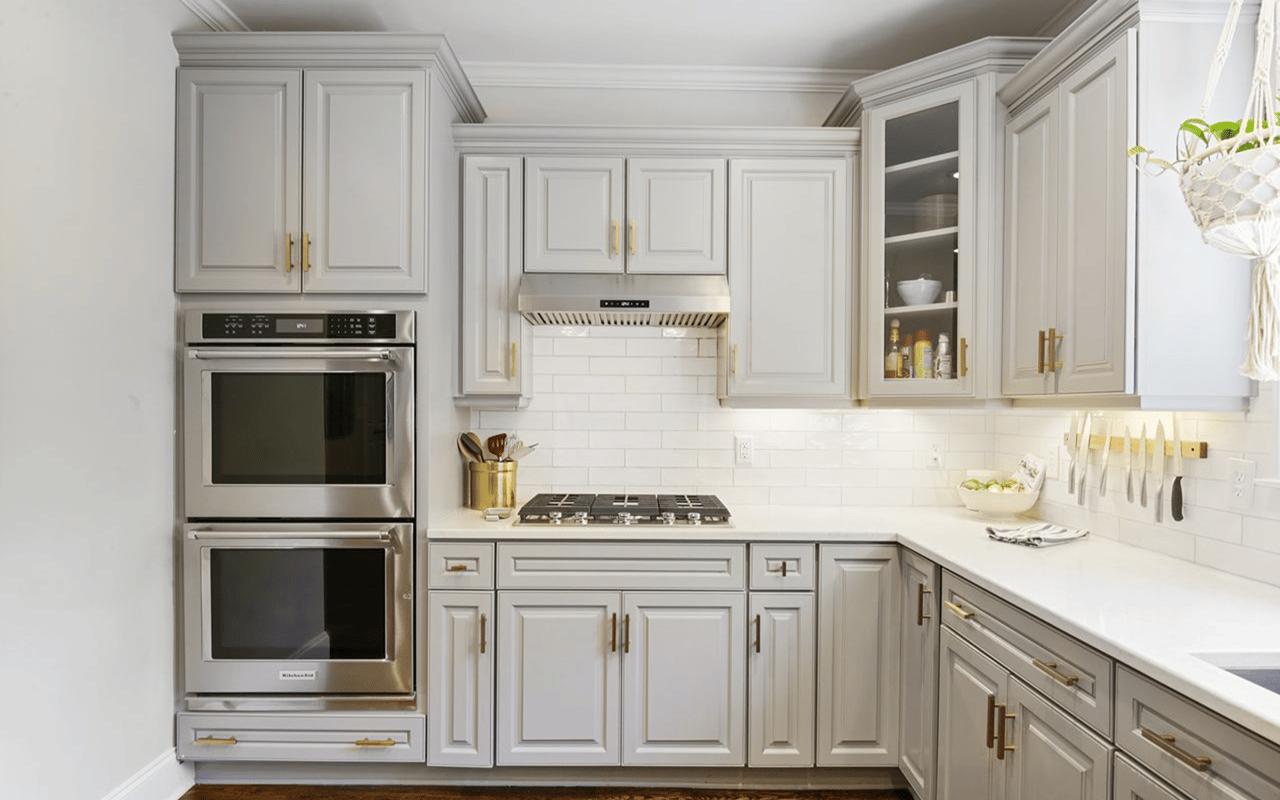
At some Atlanta price points, buyers may respond very well to refinished hardwood floors, a thoughtfully updated kitchen, good lighting, fresh paint and an improved backyard. Spending dramatically more may not materially change the sale price. At a higher price point, buyers may expect custom cabinetry, premium appliances, better millwork, sophisticated lighting, high quality bathroom finishes and outdoor living that feels integrated with the house.
There is also a difference between updated and over renovated. If comparable properties consistently sell within a certain range, installing the most expensive appliances, stone and fixtures available doesn't necessarily move that ceiling. You need to know where buyers will reward the investment and where they won't.
I also don't think every older Atlanta ranch or traditional home needs to be stripped of its character and turned into the same white box renovation. Sometimes opening the kitchen makes tremendous sense. Sometimes removing walls creates awkward spaces and eliminates useful rooms. Sometimes original hardwoods are worth restoring. The best flips I've seen don't necessarily look like flips. They look like someone understood the house and made it considerably better.
Atlanta is hilly, and lot usability can materially affect resale. A dated house on a great street with a level, private backyard may have tremendous upside. A beautifully renovated home with a steep driveway, unusable backyard or drainage issues can still be a difficult resale.
Trees, retaining walls, water management, driveway grade, sewer or septic considerations and the position of the house on the property can all create costs that aren't obvious in listing photos.
You can renovate a kitchen. Fixing a fundamentally difficult lot can be much harder and much more expensive.
The same principle applies to the basic structure and systems of the house. Before purchasing, I want investors thinking about the roof, HVAC, electrical, plumbing, foundation, sewer line, water intrusion, windows, drainage and any previous additions or renovations. Older Atlanta housing stock can come with issues that dramatically change a renovation budget once walls are opened.
And remember that the eventual buyer is going to inspect the property too. Covering an old problem with attractive finishes doesn't make the problem disappear. It may simply postpone the negotiation until you're under contract.
One reason a Metro Atlanta investment strategy needs to be property specific is that permitting depends on where the house is actually located. “Atlanta” can mean the City of Atlanta or one of many surrounding cities and unincorporated areas. A project in Sandy Springs may have a different permitting process from one in Brookhaven, Smyrna, the City of Atlanta or unincorporated Cobb or Fulton County.
Before purchasing a property that requires structural changes, additions or significant systems work, determine what permits and approvals will be required and build that into both the budget and timeline. Unpermitted work can also become a problem when you eventually sell, particularly if you're marketing the finished property at a premium.
Time itself has a cost. Interest, insurance, utilities, taxes, landscaping and other expenses continue while the property is being renovated and marketed. A project that takes three months longer than expected isn't simply inconvenient. It changes the investment return.
Market timing matters too. A house purchased based on spring comparable sales may enter a very different competitive environment if construction delays push the finished property into late fall. I would rather see a realistic timeline with some contingency built in than an aggressive timeline that only works if absolutely nothing goes wrong.
Investors love dramatic before and after transformations, but dramatic doesn't necessarily mean profitable.
Sometimes the better investment is a fundamentally good house that is cosmetically dated and poorly presented. The floor plan works. The lot is good. The neighborhood supports the finished price. The expensive systems are in reasonable condition. The opportunity may simply be that the current seller hasn't presented the property in a way that today's buyer can see.
Those projects aren't always as exciting on social media, but they can involve substantially less construction risk. I would rather buy the right real estate with an ugly kitchen than the wrong real estate at what appears to be a bargain price.
This is where having the eventual listing strategy in mind from day one can be incredibly valuable. Before an investor buys, I want to know what comparable homes suggest the finished price will be, where the resale ceiling appears to be, which buyer we're targeting and what that buyer is likely to compare our house against.
I also want to identify potential objections before we invest the money. Will buyers dislike the driveway? Is the primary bedroom too small for the eventual price point? Will we need a fence to make the backyard functional? Are there competing new construction homes nearby? Is the house on a street buyers routinely discount?
These are much easier questions to address before purchasing than after the renovation is complete.
My background as a former commercial real estate attorney probably contributes to the way I approach investment properties. I naturally think about the transaction, risk and exit strategy together. The renovation is only one part of the investment.
Atlanta can offer opportunities for investors because of its size, varied housing stock and large number of distinct submarkets. Potential returns, however, vary considerably by neighborhood, purchase price, renovation scope and market conditions. I would evaluate the individual property rather than rely on Metro Atlanta averages.
ARV stands for after repair value, or the estimated market value of a property after the planned renovation is complete. A useful ARV should be based on genuinely comparable renovated sales, the quality of the proposed renovation and current market conditions rather than an optimistic target price.
It can be a useful initial screening tool, but it shouldn't replace a detailed investment analysis. Atlanta neighborhoods and price points have different margins, renovation expectations, holding costs and risks.
Common risks include overestimating resale value, underestimating renovation and carrying costs, construction delays, permitting issues, structural or systems problems, difficult lots and renovating beyond what buyers in that particular neighborhood will pay for.
There is no universal renovation list. The priorities should come from the condition of the house, the expectations of buyers at the anticipated resale price and the features of competing homes. Kitchens and bathrooms matter, but floor plan, major systems, curb appeal and outdoor usability can be just as important.
Generally, an owner can purchase, renovate and resell their own real estate without becoming a licensed real estate agent. Investors should consult the appropriate legal and tax professionals regarding their specific business activities, structure and tax treatment.
I'm Lindsay Levin, J.D., MBA, REALTOR® with Berkshire Hathaway HomeServices Georgia Properties. I work with buyers, sellers and investors throughout Metro Atlanta, including Sandy Springs, Buckhead, Brookhaven, Dunwoody, East Cobb, Roswell, Alpharetta and Smyrna/Vinings.
When I work with an investor, I don't want to become involved only after the renovation is complete and it's time to put the house on the market. The more valuable conversation often happens before the property is purchased. What is the realistic finished value? Who is the buyer? What will that buyer expect? How much renovation will the neighborhood support? And is there enough margin in the deal to compensate for the risk?
If you're considering buying, renovating and reselling a home in Metro Atlanta, contact the Lindsay Levin Team at atlreinsider.com. I'm happy to look at the potential resale strategy before you decide whether the property is worth buying.
Stay up to date on the latest real estate trends.
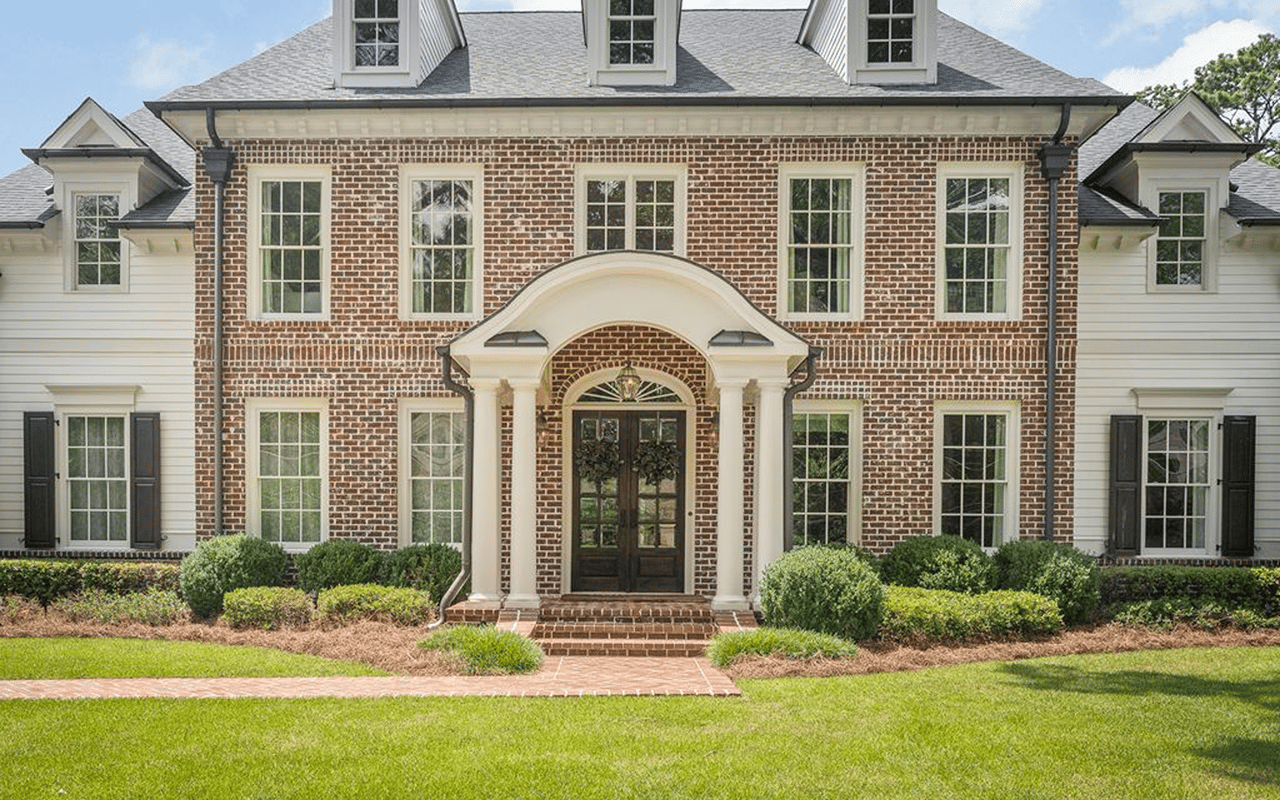
Understanding the SRES Designation and Why It Matters When You Buy or Sell in Atlanta.

A Local Guide to the Best Places to Buy Locally Roasted Coffee Beans in Atlanta.
downsizing
A Guide to Making Your Next Move With Confidence in Atlanta, GA
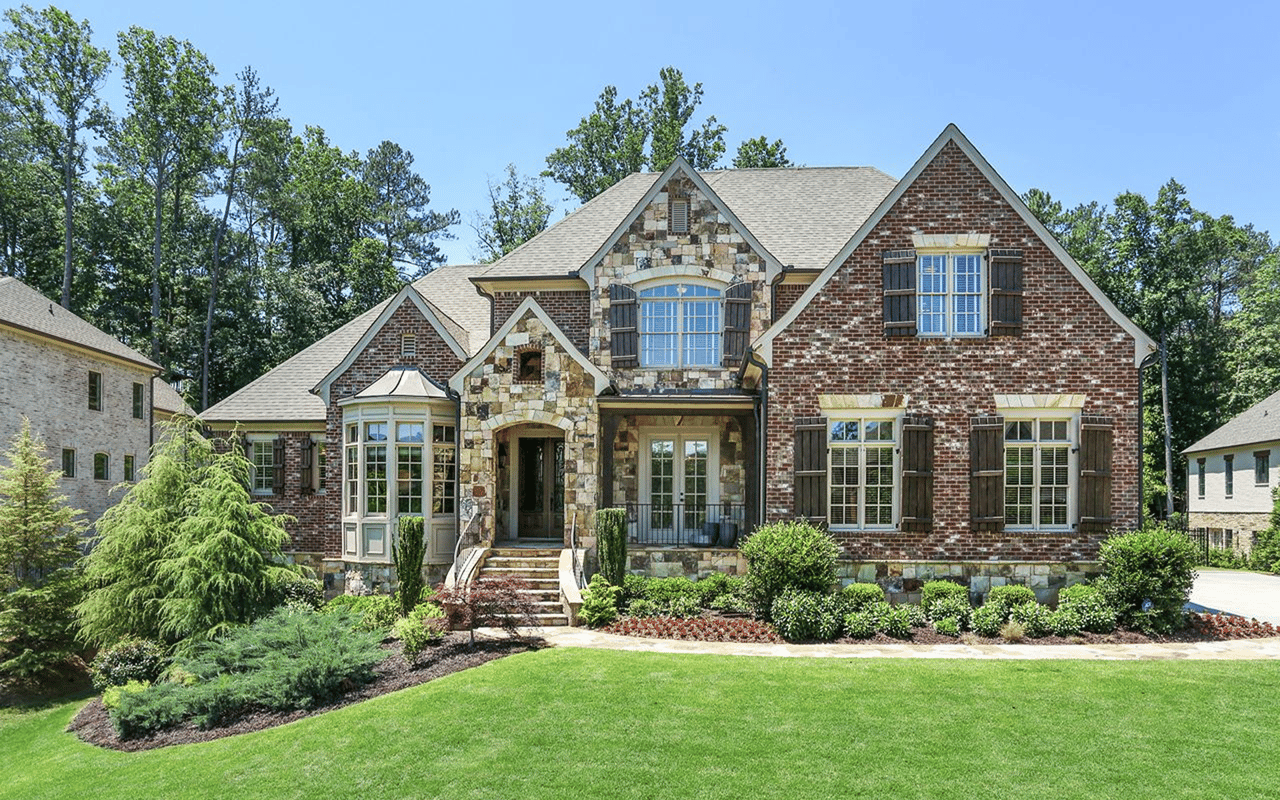
How the Right Expertise and Guidance Make All the Difference When You Sell a Family Home.
Your Complete Guide to Making a Smooth Move to a Smaller Home.
Buying a Home in Atlanta: Expert Tips From a Local Realtor | Lindsay Levin
atlanta neighborhoods
Why Brookhaven continues to attract buyers looking for an intown location with a neighborhood feel
From Downtown Alpharetta to Avalon, a local look at what makes this North Fulton community different.
downsizing
How to decide whether your current home can work for the long term or if another home might make more sense.
We pride ourselves in providing personalized solutions that bring our clients closer to their dream properties and enhance their long-term wealth. Get assistance in determining current property value, crafting a competitive offer, writing and negotiating a contract, and much more. Contact us today to discuss all your real estate needs!
LINDSAY LEVIN TEAM
3744 ROSWELL RD NE ATLANTA GA 30342