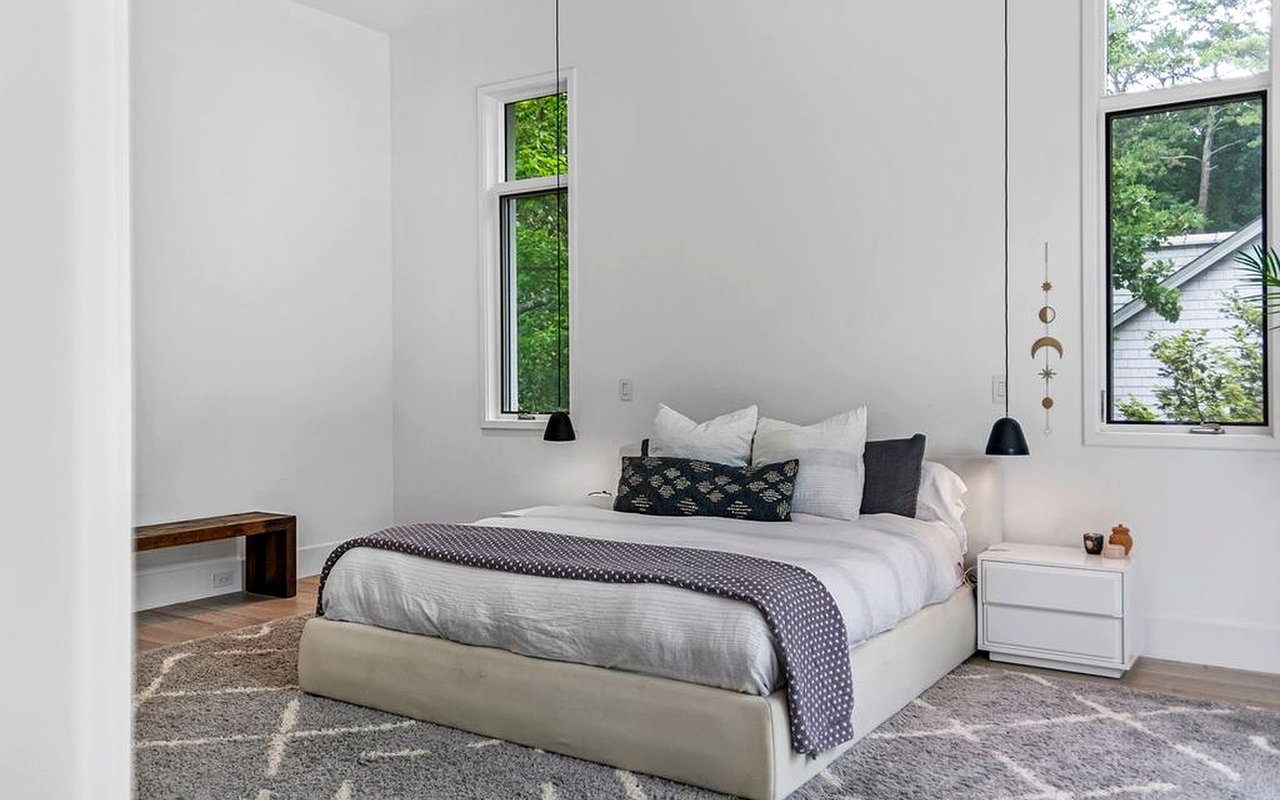
Aging in Place in Atlanta: When to Modify Your Home and When It May Be Time to Move
downsizing Lindsay Levin June 26, 2026
downsizing Lindsay Levin June 26, 2026
That does not necessarily mean you need to move.
Many homes can be modified to work extremely well for years to come. Others have fundamental characteristics that are difficult or expensive to change. Before spending significant money on renovations, I think it is worth looking at both sides of the equation: what would it take to make the current home work, and what alternatives are available if you decide to move?
As a Seniors Real Estate Specialist® (SRES®), former commercial real estate attorney and Atlanta Realtor, that is where I can be particularly helpful. I am not there to convince someone to sell. I can help you look at the home as a real estate asset, understand how proposed improvements may affect its value and compare the cost of staying with the alternatives available in the Atlanta market.
Aging in place means being able to remain safely and comfortably in your home as your needs change. Some Atlanta homes lend themselves to that much more easily than others.
A ranch home with a relatively flat lot, main-level primary bedroom and accessible entrances may require very little modification. A three-story home with a steep driveway, multiple staircases and all bedrooms upstairs presents a very different challenge.
Before deciding whether to renovate, I would look at the home's basic structure and ask which limitations can realistically be changed.
Things worth evaluating include the location of the primary bedroom and laundry, number of stairs, bathroom configuration, width of doorways and hallways, exterior entrances, driveway, garage access and the amount of ongoing exterior maintenance.
Some of those things are relatively easy to improve. Others are inherent to the property.
Not every aging-in-place improvement requires a major renovation. Better lighting, replacing door hardware, adding handrails, reducing trip hazards and modifying a bathroom can sometimes make a meaningful difference without fundamentally changing the house.
Bathrooms are often one of the first places homeowners focus. A curbless or low-threshold shower, strategically placed grab bars, better lighting and thoughtful flooring can improve usability while still looking like a well-designed renovated bathroom.
That last point matters from a real estate perspective. Accessibility improvements do not have to look institutional. When they are incorporated thoughtfully into good design, features such as a large walk-in shower or main-level living can appeal to buyers of many ages.
The analysis changes when making the house work requires major structural modifications.
Adding an elevator, creating a main-level primary suite, relocating laundry, substantially changing an entrance or reconfiguring an entire floor can involve significant expense. That doesn't mean the project is a bad idea, particularly if you love the home and intend to remain there for many years.
But before investing that kind of money, I think homeowners should understand what the property will be worth afterward and how much of the investment is likely to be reflected in resale value.
For example, spending a substantial amount to create a first-floor primary suite may make sense in a home and neighborhood where buyers value that feature. A highly specialized modification that works for one homeowner but reduces the functionality of the house for future buyers deserves a different analysis.
This is where a real estate perspective should be part of the conversation before construction begins, not after.
An SRES® and a CAPS professional serve different roles.
A Certified Aging-in-Place Specialist, or CAPS, has specialized training related to designing and modifying homes for long-term usability. Depending on the professional, that may involve evaluating entrances, bathrooms, kitchens, stairs, lighting, mobility and other physical aspects of the home.
If you are considering substantial modifications, a qualified CAPS professional can help determine what is physically possible and develop solutions for the house.
My role as an SRES® Realtor is different. I can help answer the real estate questions surrounding those improvements. What is the house worth today? What might it be worth after the work? How desirable is main-level living in this particular market? What other homes could you purchase instead? What would you be giving up or gaining by moving?
Those two perspectives can work very well together.
The Atlanta neighborhoods I work in have an enormous range of housing styles.
Sandy Springs, Buckhead, Dunwoody, Roswell and other established communities have ranch homes that can work extremely well for one-level living. They also have traditional two-story homes, split-levels and newer multi-story properties where daily life involves considerably more stairs.
The lot matters too.
A first-floor primary bedroom doesn't solve everything if getting from the driveway into the house requires navigating a steep grade. Likewise, a home that functions well inside may still come with a large yard, pool or exterior maintenance that the homeowner no longer wants to manage.
I encourage homeowners to evaluate the entire property rather than focusing on one feature such as stairs.
I am seeing more homeowners consider residential elevators, particularly in higher-end Atlanta homes and multi-story townhomes.
An elevator can be an excellent solution in the right property, but it deserves careful analysis. Is there an appropriate location for it? How much of the home's existing space will it consume? What will installation cost? What are the ongoing service and maintenance requirements? Will it meaningfully improve the home's functionality and future marketability?
In some homes, an elevator can extend the useful life of the property significantly. In others, the cost and structural changes may make moving to a home that already offers one-level living the more practical choice.
This is where the decision becomes very individual.
Moving has costs. So does staying.
If remaining in the house requires a major bathroom renovation, elevator, new main-level suite and continued maintenance of a large property, add those costs together before deciding that staying is automatically the less expensive option.
Then compare that with what your current home could sell for, what you would likely net from the sale and what it would cost to purchase an alternative.
The alternative does not necessarily have to be a dramatically smaller home. It could be a ranch, a home with a primary suite on the main level, an elevator townhome or a condo where exterior maintenance is handled for you.
The goal is to compare real options rather than making the decision in the abstract.
Planning ahead makes sense, but I also don't think a healthy homeowner in their 50s or 60s needs to turn a house into a fully accessible property simply because they might need those features someday.
There is a middle ground.
If you are already remodeling a primary bathroom, designing a larger shower with fewer barriers may be smart. If you are building an addition, thinking about main-level living may give the house more flexibility. If you are replacing flooring or lighting, choices that improve visibility and reduce trip hazards can make sense for everyone.
Good long-term design often looks like good design, not a special category of housing.
There are situations where the physical limitations of the property simply become difficult to overcome. Multiple levels, a steep lot, extensive exterior maintenance or a floor plan that would require major structural work may make another home worth considering.
Location can matter just as much. Some homeowners want to be closer to adult children, medical care, friends, restaurants or other parts of their daily routine.
At that point, the question is not simply whether you can modify the house. It is whether you should.
A home can technically be renovated to solve almost anything if you are willing to spend enough money. That doesn't necessarily make it the best real estate or lifestyle decision.
A Senior Real Estate Specialist® is a Realtor with additional education focused on the housing needs and decisions of adults age 50 and older. A Certified Aging-in-Place Specialist focuses on design and home modifications that can improve long-term usability. If you are deciding whether to substantially renovate or move, it can be helpful to have both perspectives.
Main-level living is often important, but I also look at entrances, driveway grade, garage access, bathroom configuration, laundry location, stairs and ongoing maintenance. A house should be evaluated as a whole rather than relying on one feature such as a primary bedroom on the main level.
It can. Main-level primary suites are desirable to many Atlanta buyers, not only older adults. Whether an addition makes financial sense depends on its cost, quality, the existing floor plan and what comparable homes support in that particular neighborhood.
It depends on the property. An elevator can make a multi-story home significantly more functional, but installation cost, available space, ongoing maintenance and future resale should all be considered before making the investment.
There is no universal answer. Compare the cost and practicality of the modifications with the value of your existing home and the cost of alternatives that already provide the features you need. For larger projects, I recommend doing that analysis before construction begins.
You do not need to be ready to sell your home to talk to me about it.
I'm Lindsay Levin, J.D., MBA, REALTOR® and Senior Real Estate Specialist® with Berkshire Hathaway HomeServices Georgia Properties. I work with homeowners throughout Sandy Springs, Buckhead, Dunwoody, Roswell and Metro Atlanta who are evaluating whether their current home still makes sense for the years ahead.
Sometimes my advice may be to sell. Sometimes it may be to make a few strategic changes and stay exactly where you are.
If you are considering a major renovation for aging in place, I can help you understand your home's current value, how the proposed improvements fit the local market and what other housing options you may want to compare before making the investment. Contact the Lindsay Levin at 404.667.3232 to start the conversation.
Stay up to date on the latest real estate trends.
downsizing
A Guide to Making Your Next Move With Confidence in Atlanta, GA
How the Right Expertise and Guidance Make All the Difference When You Sell a Family Home.
Your Complete Guide to Making a Smooth Move to a Smaller Home.
Buying a Home in Atlanta: Expert Tips From a Local Realtor | Lindsay Levin
atlanta neighborhoods
Why Brookhaven continues to attract buyers looking for an intown location with a neighborhood feel
From Downtown Alpharetta to Avalon, a local look at what makes this North Fulton community different.
downsizing
How to decide whether your current home can work for the long term or if another home might make more sense.

What Makes the Best Country Clubs in Atlanta Worth Knowing About Before You Move.
home buying
Two popular North Atlanta communities, two very different ways to live. Here’s what buyers should know before choosing between them
We pride ourselves in providing personalized solutions that bring our clients closer to their dream properties and enhance their long-term wealth. Get assistance in determining current property value, crafting a competitive offer, writing and negotiating a contract, and much more. Contact us today to discuss all your real estate needs!

LINDSAY LEVIN TEAM
3744 ROSWELL RD NE ATLANTA GA 30342