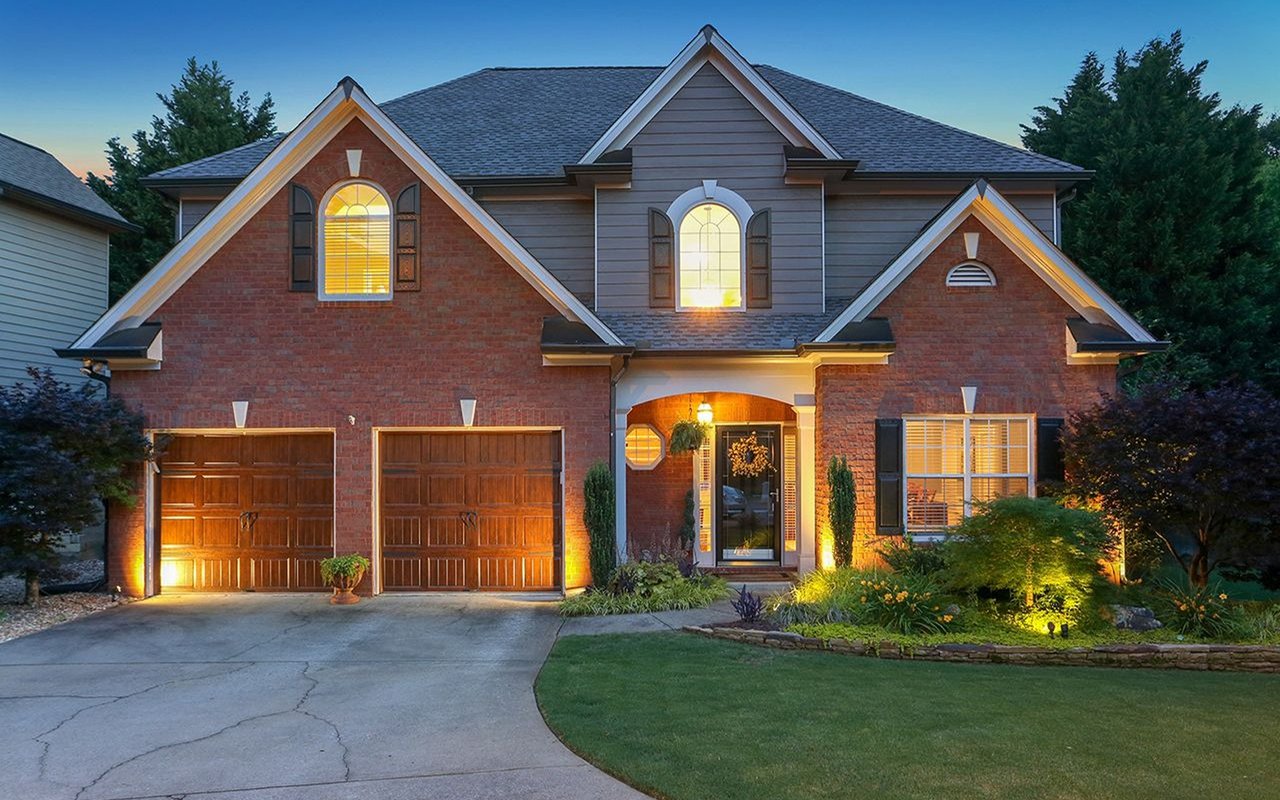
Buying a Home in Atlanta: How to Search Smarter and Choose the Right Home
Lindsay Levin August 24, 2026
Lindsay Levin August 24, 2026
Atlanta is an extremely neighborhood-specific market. Two homes with similar square footage and finishes can have very different values because of the street, school district, lot, traffic pattern, surrounding development or even which section of a neighborhood they are in. That is why I don't think a successful home search is about seeing as many houses as possible. It is about learning the market well enough to recognize the right house, in the right location, at the right price when it becomes available.
As an Atlanta Realtor, former commercial real estate attorney and longtime local resident, these are some of the things I encourage buyers to consider when searching for a home in Atlanta.
One of the first things I tell buyers is that Atlanta isn't one real estate market. Buckhead is different from Sandy Springs. Sandy Springs is different from Brookhaven. Brookhaven is different from Dunwoody. Even within those communities, the market can change significantly from one neighborhood or street to another.
Before we spend a weekend touring houses, I want to understand how you actually live. Where do you work and how often do you commute? Are particular school districts important? Do you want walkability or more land and privacy? Do you prefer an established neighborhood or newer construction? How important are restaurants, shopping, neighborhood amenities or proximity to family?
Your answers may point us toward Sandy Springs, Buckhead, Brookhaven, Dunwoody, East Cobb, Roswell, Alpharetta, Smyrna/Vinings or somewhere you hadn't originally considered. The goal isn't simply to identify neighborhoods where homes fit your budget. It is to identify the areas where your life fits.
Buyers should generally speak with a lender before seriously searching for a home. A strong preapproval tells us what financing options are available and allows us to write an offer quickly when the right property appears.
There is, however, an important distinction between what a lender will approve and what you actually want to spend. Before we search, I encourage buyers to consider the complete cost of owning the home, including the mortgage payment, property taxes, homeowners insurance, HOA fees, utilities, maintenance and potential renovations. Your search should be built around a number that makes sense for your life, not simply the largest loan you qualify for.
Most buyers begin with a long wish list, but not every item on that list deserves equal weight. Paint can change. Light fixtures can change. Countertops can change. A bad lot, an inconvenient location or the wrong floor plan is much harder to fix.
I encourage buyers to think about the house in categories. Location, lot, street, school district, basic floor plan, natural light and proximity to traffic or commercial property are difficult or impossible to change. Kitchens, bathrooms, additions and structural changes can often be changed, but at considerable expense. Paint, lighting, hardware, landscaping and many cosmetic finishes are relatively easy.
Keeping those distinctions in mind can prevent you from rejecting a great house because of something cosmetic while overlooking a problem that will affect you every day.
Professional photography is designed to make a home look its best. That's appropriate marketing, but buyers need to understand what photographs don't show. They may not show the steep driveway, the house next door, road noise or the fact that the backyard isn't particularly usable. On the other hand, some houses that look fairly ordinary online feel fantastic once you walk inside.
Before we even schedule a showing, I may look at the property's listing and sales history, prior photographs when available, tax records, lot configuration, nearby sales, location within the neighborhood, surrounding properties, days on market, price changes and seller disclosures. I want to understand what we are walking into before you fall in love with the kitchen.
One of the most common questions buyers ask me is, "What should we offer?" The answer isn't automatically the listing price, five percent below it or ten percent above it. The asking price is a marketing decision made by the seller and listing agent. Our job is to determine what the property is actually worth in the current market.
Before recommending an offer, I look at recent comparable sales, current competing homes, condition and renovations, lot and location, days on market, price reductions, buyer activity and neighborhood-specific trends. I also want to understand whether a home appears intentionally underpriced to generate competition or whether the seller may be reaching for a price the market doesn't support.
In Atlanta, I often care much more about the micro-market than a citywide statistic. Even within Sandy Springs, homes in different school districts or different sections of the same ZIP code can behave very differently. Online estimates and broad market averages can be useful information, but they only tell part of the story.
Buyers sometimes assume that a home that has been on the market for several weeks must have something wrong with it. Sometimes it does. Sometimes it was simply overpriced. The photography may have been poor, the seller may have rejected earlier offers, or the house may simply have been overlooked.
Days on market is information, but it isn't a conclusion. I want to understand why a property hasn't sold before deciding what that means for our negotiating strategy. Sometimes a home that other buyers have passed over can represent a very good opportunity.
Even if you expect to stay in the home for a long time, I want you to think about the next buyer. This doesn't mean buying a home solely for resale. It means recognizing features that may make a property easier or harder to sell someday.
A steep driveway, unusual floor plan, limited backyard, busy road, highly personalized renovation, limited parking or unusually high HOA may reduce the future buyer pool. That doesn't necessarily mean you shouldn't buy the property. You may love the home enough that the compromise is worth making. I just want it to be an informed decision rather than something you discover when it is time to sell.
Atlanta buyers often tell me they want something "new," and sometimes newer construction absolutely makes sense. But I also encourage buyers to compare what they are getting.
An older home may offer a larger lot, mature trees, an established neighborhood, better privacy or a location that would be difficult to recreate today. A newer home may offer a more current floor plan, newer systems, better energy efficiency and less immediate maintenance. Neither is automatically better. The question is which trade-offs matter most to you.
This is particularly important for buyers looking at condos, townhomes and some newer communities. Don't evaluate a property based solely on the monthly HOA fee. We need to understand what that fee covers as well as the association's financial health, reserves, insurance responsibilities, special assessments, rental restrictions, maintenance obligations and rules.
A low HOA fee isn't necessarily an advantage if an association isn't adequately funding future expenses. Likewise, a higher fee may make sense if it covers services and expenses you would otherwise pay separately. When you purchase a condo or townhome, the association is part of what you are purchasing.
People often hear that Atlanta buyers need to "act fast." Sometimes that's true, but speed should come from preparation rather than pressure. If we have already studied the neighborhood, reviewed comparable sales, discussed your priorities and analyzed the property, you can make a decision quickly without making a reckless one.
There are also homes where waiting, negotiating or walking away is the better strategy. A good buyer's agent shouldn't simply tell you to write an offer. Part of my job is telling you when I think you shouldn't.
If a home receives multiple offers, price matters, but it isn't the only thing that matters. A seller may also evaluate financing, down payment, appraisal terms, due diligence, closing date, earnest money, contingencies, possession and the overall likelihood that the buyer will actually close.
This is where strategy becomes important. My background as a former commercial real estate attorney affects the way I look at an offer. I don't view the contract simply as a price. I look at how all of the terms work together and where we can make an offer more compelling without taking unnecessary risk.
Once you are under contract, the due diligence period is an opportunity to investigate the property and understand what you are buying. Depending on the home, that may involve a general home inspection as well as evaluations of the HVAC, roof, sewer line, structure, pool, septic system or other components.
Every house will have inspection items. The goal isn't to find a perfect house. It is to identify material issues, understand potential future costs and determine whether anything we learn changes the value of the property or your willingness to purchase it.
The role of a buyer's agent has changed. Buyers can find listings themselves. You can see photographs, tax history, estimated values and neighborhood information online. Opening the door isn't where I think my greatest value is.
My job is to help you interpret all of that information. Is this the right neighborhood? Is the house priced correctly? Is there something we're overlooking? What might it cost to improve? How does it compare with what else we've seen? What should we offer? How strong is the seller's negotiating position? Which inspection findings actually matter? Will this house make sense when you eventually sell it?
That is the difference between searching for houses and having experienced buyer representation.
Look for an agent with real experience in the specific neighborhoods you are considering, strong negotiation skills, an understanding of contracts and a willingness to give you candid advice rather than simply encourage you to buy. Reviews, transaction history, local knowledge and experience handling complicated transactions are all worth considering.
You can certainly search for homes yourself, but an experienced buyer's agent provides value in evaluating neighborhoods, analyzing pricing, preparing an offer, negotiating contract terms, conducting due diligence and navigating the transaction through closing. A good buyer's agent should provide information and strategy that you cannot get from a listing portal alone.
There isn't one "best" Atlanta neighborhood. The right fit depends on your budget, commute, schools, desired lifestyle, home style and priorities. I regularly work with buyers in Sandy Springs, Buckhead, Brookhaven, Dunwoody, East Cobb, Roswell, Alpharetta, Smyrna/Vinings and surrounding Metro Atlanta communities, and each offers a different combination of housing, location and lifestyle.
For many buyers, Sandy Springs offers a strong combination of established neighborhoods, convenient access to Buckhead and Perimeter, a range of housing styles and amenities around City Springs. It is also a very neighborhood-specific market, where school districts, commute routes, lot characteristics and even different sections of the same ZIP code can affect value and demand.
Buckhead appeals to buyers looking for proximity to Atlanta's major employment centers, restaurants and shopping, with housing options ranging from established single-family neighborhoods to luxury condos and townhomes. The right part of Buckhead depends heavily on whether you prioritize walkability, schools, lot size, privacy or convenience.
There isn't a standard percentage above or below asking price that works for every property. The offer should reflect comparable sales, current competition, condition, days on market, buyer demand and the seller's negotiating position. Sometimes the right offer is below asking price. For another property, paying asking price or more may make sense.
There is no ideal number. Some buyers understand the market after seeing only a handful of homes, while others need considerably more. I care less about the number and more about whether you have enough context to recognize value and feel confident in your decision.
A home that needs work can be an excellent opportunity if you understand the scope and likely cost before buying. I help buyers distinguish between cosmetic changes and more significant projects and consider whether the eventual investment makes sense for the neighborhood.
The appropriate inspections depend on the property. A general home inspection is common, but additional evaluation of the roof, HVAC, sewer line, structure, pool, septic system or other components may be advisable depending on the house.
I'm Lindsay Levin, J.D., MBA, REALTOR® with Berkshire Hathaway HomeServices Georgia Properties. I have worked in Atlanta residential real estate since 2012 and bring both my real estate experience and my prior background as a commercial real estate attorney to the buying process.
My team works with buyers throughout Sandy Springs, Buckhead, Brookhaven, Dunwoody, East Cobb, Roswell, Alpharetta, Smyrna/Vinings and Metro Atlanta. My job isn't to convince you to buy a house. It is to give you the local information, market context and strategic advice to recognize the right opportunity and enough confidence to walk away when it isn't one.
If you're considering buying a home in Atlanta, contact the Lindsay Levin at 404.667.3232 to start the conversation.
Stay up to date on the latest real estate trends.
downsizing
A Guide to Making Your Next Move With Confidence in Atlanta, GA
How the Right Expertise and Guidance Make All the Difference When You Sell a Family Home.
Your Complete Guide to Making a Smooth Move to a Smaller Home.
Buying a Home in Atlanta: Expert Tips From a Local Realtor | Lindsay Levin
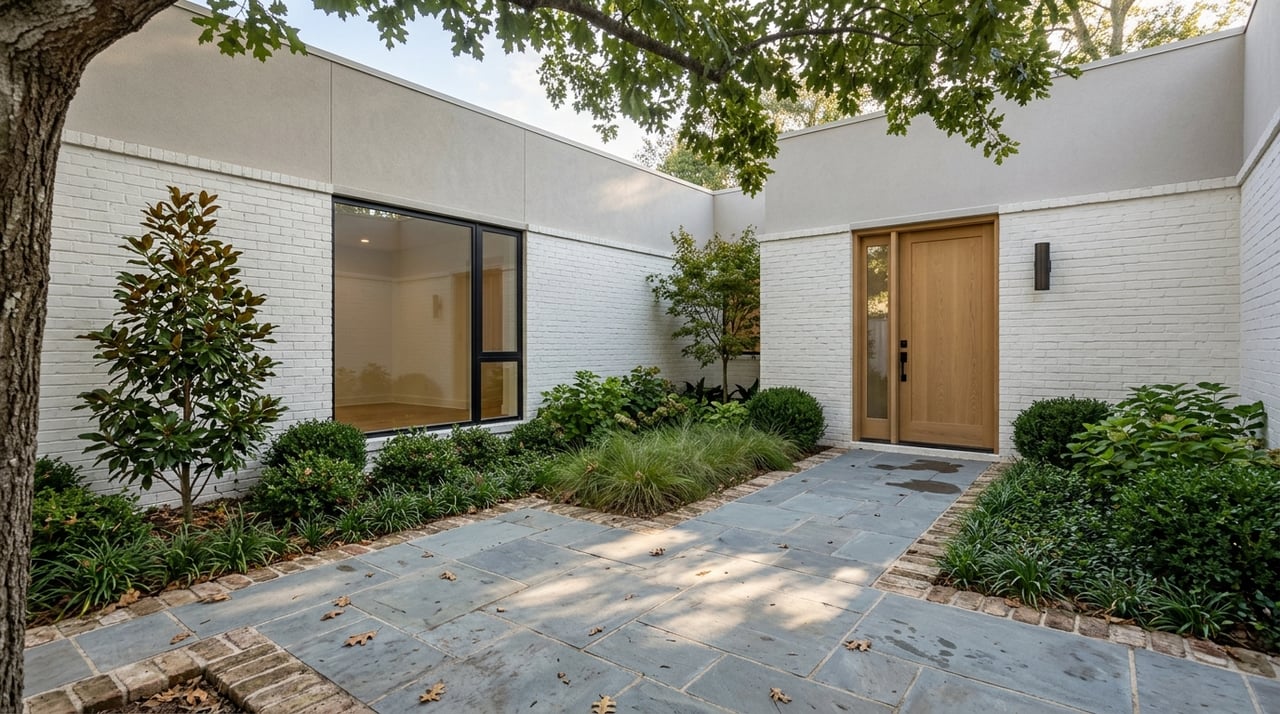
atlanta neighborhoods
Why Brookhaven continues to attract buyers looking for an intown location with a neighborhood feel
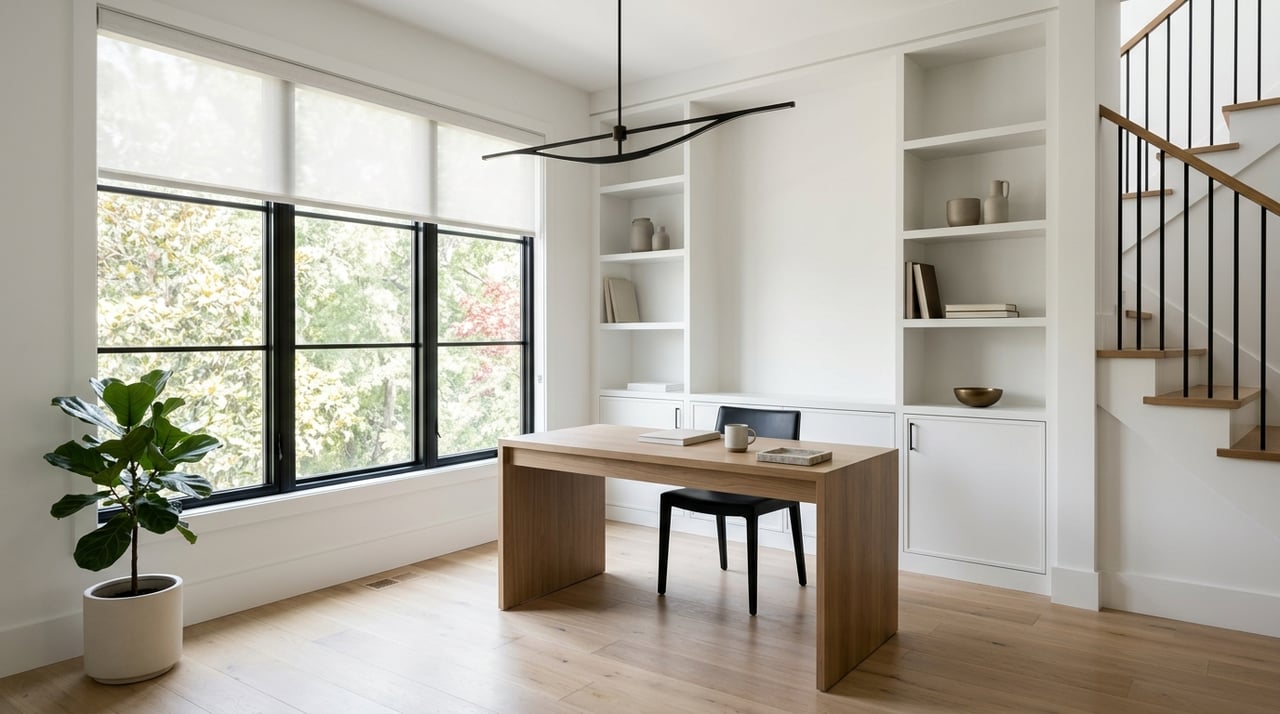
From Downtown Alpharetta to Avalon, a local look at what makes this North Fulton community different.
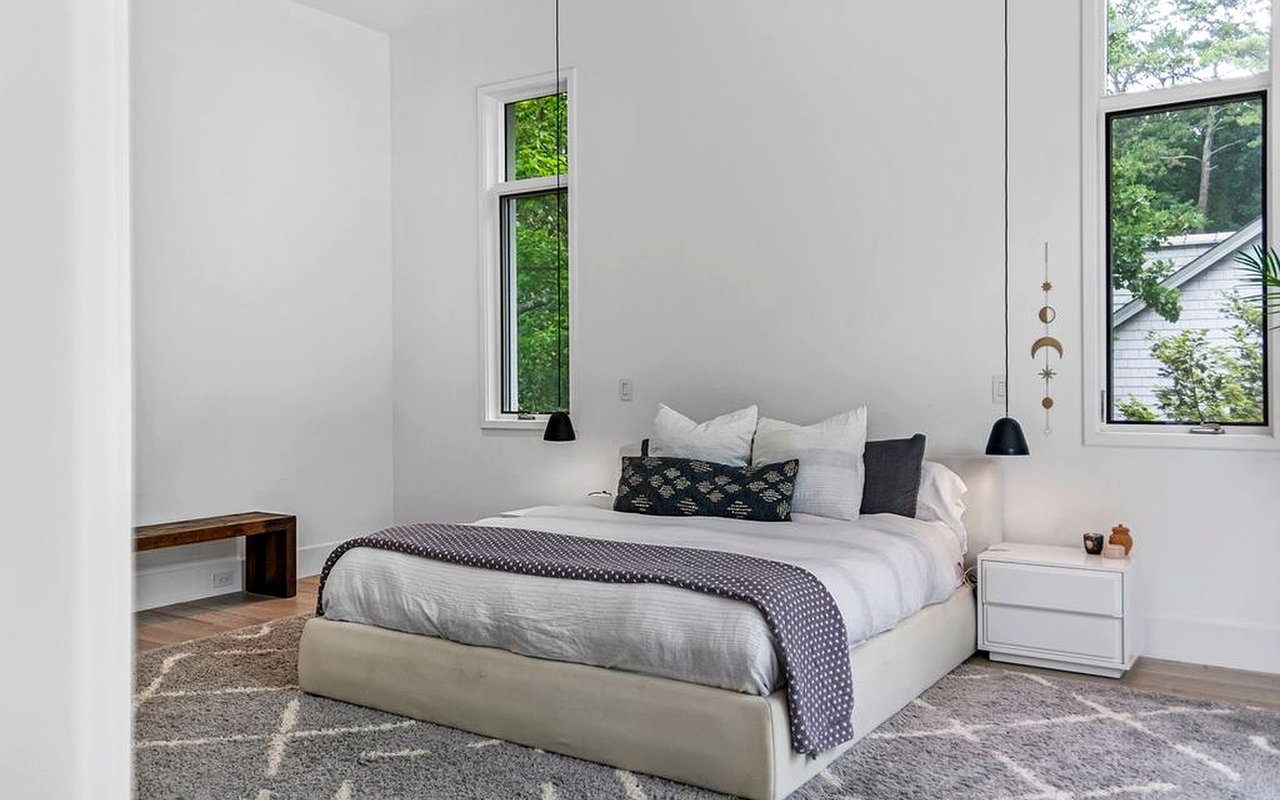
downsizing
How to decide whether your current home can work for the long term or if another home might make more sense.

What Makes the Best Country Clubs in Atlanta Worth Knowing About Before You Move.

home buying
Two popular North Atlanta communities, two very different ways to live. Here’s what buyers should know before choosing between them
We pride ourselves in providing personalized solutions that bring our clients closer to their dream properties and enhance their long-term wealth. Get assistance in determining current property value, crafting a competitive offer, writing and negotiating a contract, and much more. Contact us today to discuss all your real estate needs!

LINDSAY LEVIN TEAM
3744 ROSWELL RD NE ATLANTA GA 30342