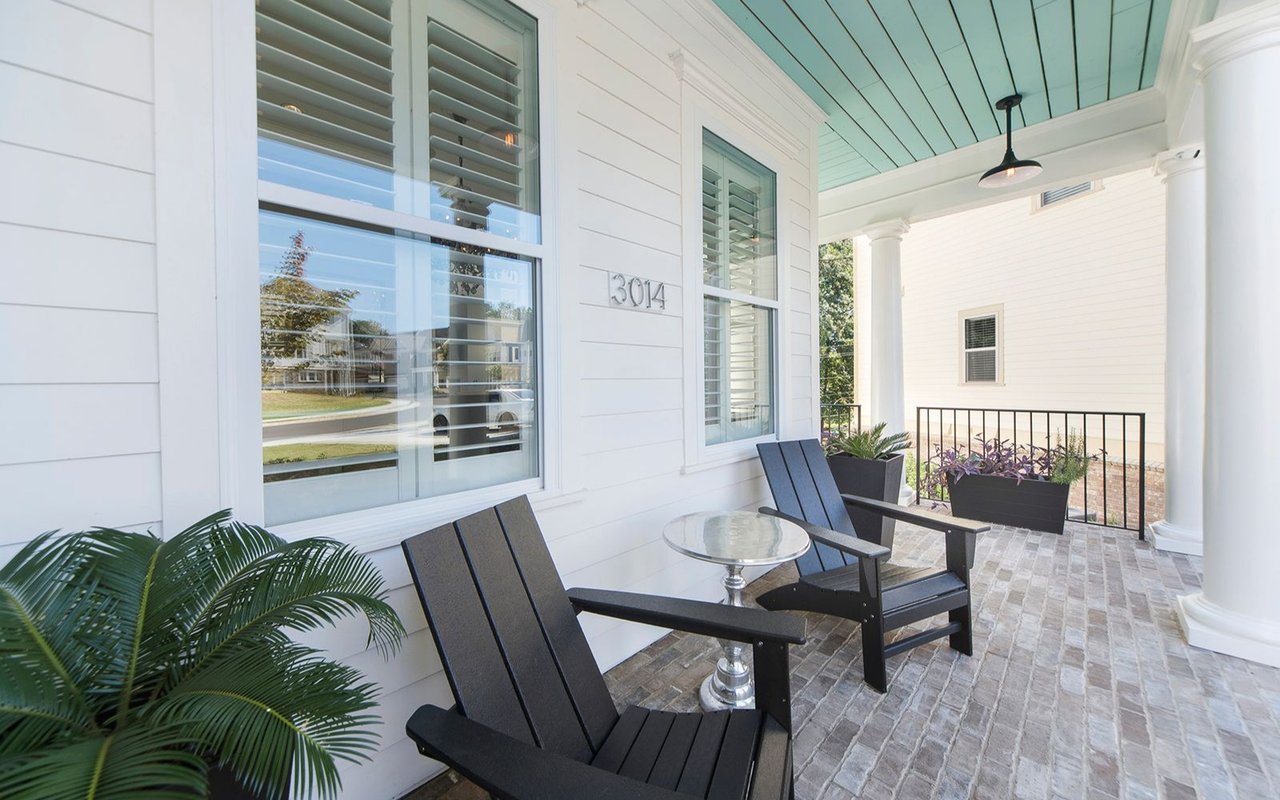
Downsizing in Atlanta for Empty Nesters: What to Expect
downsizing Lindsay Levin August 26, 2026
downsizing Lindsay Levin August 26, 2026
I often use the term rightsizing because the goal is not necessarily to own less. It is to live in a home that makes more sense for this stage of life.
Before looking at condos, townhomes or smaller houses, think about what is driving the decision. Are you tired of maintaining space you rarely use? Do you want to travel more? Would you rather be closer to restaurants, friends, family or medical care? Are stairs becoming less appealing? Do you want to unlock some of the equity in your current home?
The answer matters because it helps define what your next home actually needs to accomplish. Sometimes the right move is a smaller home. Sometimes it is a lower-maintenance home that is not dramatically smaller. And sometimes the answer is to stay where you are and make your current home work better.
A family home is often built around a stage of life that included children, carpools, school schedules, larger gatherings and a different daily routine. Your next home should reflect how you live now.
Think about which spaces you actually use. Do you still need four or five bedrooms? Is a formal dining room important? Would you rather have a larger kitchen and less square footage somewhere else? Do you want room for grandchildren to visit? Would you trade a yard for a patio, concierge, pool or walkable location?
Rightsizing works best when you focus less on what you are giving up and more on what you want to gain.
You do not need to decide everything at once. In fact, I often think it is better to start the conversation well before you are ready to move. That gives you time to understand what your current home may be worth, see what other housing options look like, and think about whether a move would actually improve your lifestyle.
For many empty nesters, seeing a few different possibilities makes the decision much clearer. You may realize you are ready sooner than you thought, or you may decide you want another year or two in your current home. Either outcome is useful.
One of the biggest emotional parts of downsizing is deciding what to do with years of belongings. My advice is not to start with the most sentimental things. Begin with the easy decisions and build momentum. Extra kitchen items, duplicate linens, unused furniture and storage areas are usually much easier than photographs, family keepsakes and children's belongings.
Once you have a better idea of where you are going, it also becomes much easier to decide what should come with you. A floor plan and a tape measure can solve a lot of questions that feel emotional when they are still hypothetical.
You do not have to get rid of everything. You just need to decide what deserves a place in the life you are creating next.
Many empty nesters are healthy, active and nowhere near what they would consider a traditional senior move. That is exactly why this can be a good time to think ahead.
You may not care about stairs today, but would an elevator or primary bedroom on the main level give you more flexibility later? If you travel frequently, would a lock-and-leave property make life easier? If family is spread around Atlanta, would a different location make seeing them more convenient?
The goal is not to buy a home based on what might happen someday. It is simply to avoid making a move now that you are likely to outgrow again quickly.
Downsizing does not always mean spending less. A smaller Buckhead condo, for example, may come with HOA fees that replace some of the expenses and maintenance responsibilities you currently have in a single-family home. A townhome may reduce yard work but still carry association costs. A newer home may cost more but require less immediate maintenance.
That is why I like to look at the full financial picture, not just the sale price. What could your current home sell for? What might you net after the sale? What will the next property cost to own each month? Are you freeing up equity, lowering expenses, or simply exchanging maintenance for convenience?
There is no right answer. The important thing is knowing what you are gaining in return.
This is really the question that matters most. Will moving give you more freedom? Will it reduce responsibilities you no longer want? Will it put you closer to the people and places you care about? Will the next home work better for the way you live now?
If the answer is yes, then downsizing or rightsizing may make a lot of sense. If the answer is no, there may be no reason to rush.
There is no specific age. The better time to start thinking about it is when your current home begins to feel out of sync with the way you live. That might be when rooms sit unused, maintenance feels burdensome, or you simply want a different lifestyle.
No. Many of my clients are really rightsizing. They may want fewer bedrooms, less yard or less maintenance while still wanting a generous kitchen, guest space, office or outdoor area.
Not necessarily. Some people are ready immediately and others want several more years in the family home. There is no advantage to moving simply because you have become an empty nester. The move should solve a problem or improve your lifestyle.
Earlier than most people think. You do not need to be ready to list your home. A conversation six months, a year or even several years in advance can help you understand your options and make a more thoughtful decision.
For me, the best downsizing conversations start long before someone is ready to put a home on the market. I am Lindsay Levin, J.D., MBA, REALTOR® and Senior Real Estate Specialist® with Berkshire Hathaway HomeServices Georgia Properties. I help empty nesters and longtime Atlanta homeowners think through what comes next, whether that means staying put, moving to a lower-maintenance home, or making a larger lifestyle change.
If you are starting to wonder whether your current home still fits your life, that is a good time to begin the conversation.
Stay up to date on the latest real estate trends.

Understanding the SRES Designation and Why It Matters When You Buy or Sell in Atlanta.

A Local Guide to the Best Places to Buy Locally Roasted Coffee Beans in Atlanta.
downsizing
A Guide to Making Your Next Move With Confidence in Atlanta, GA

How the Right Expertise and Guidance Make All the Difference When You Sell a Family Home.
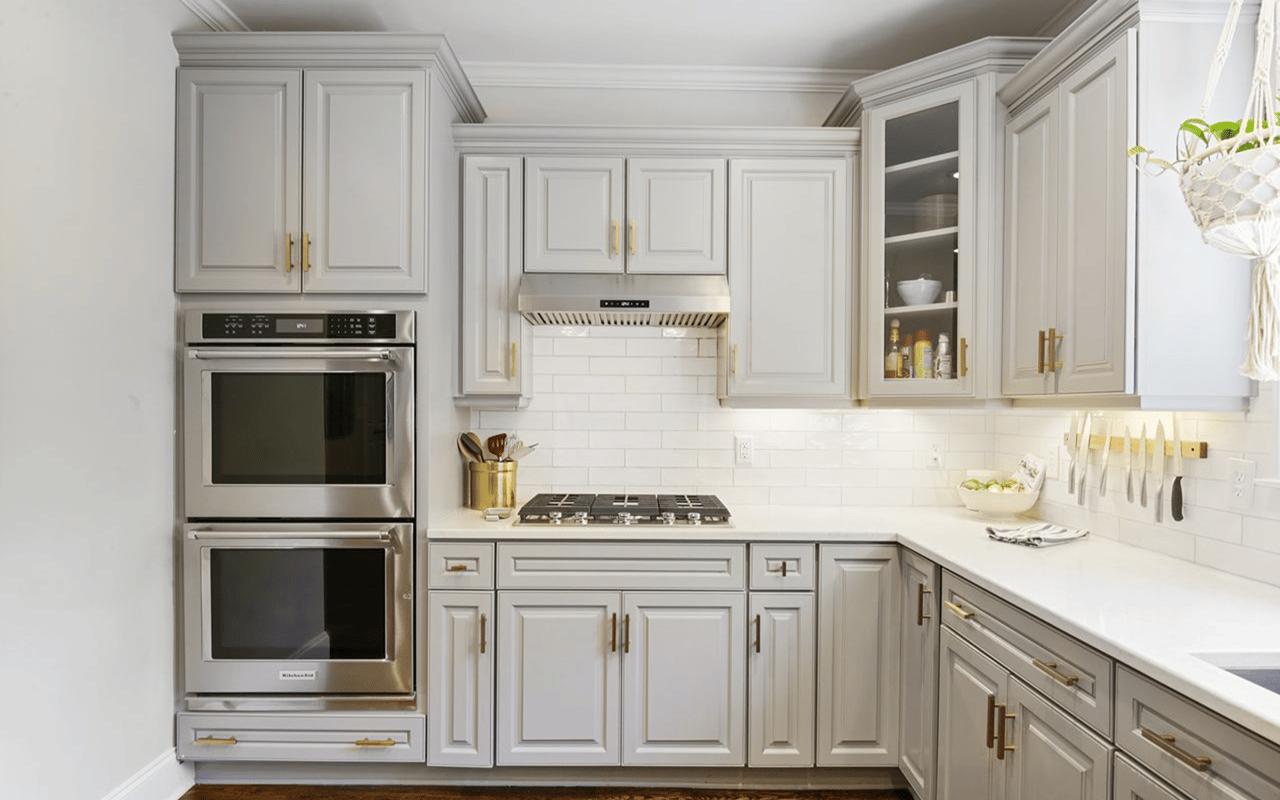
Your Complete Guide to Making a Smooth Move to a Smaller Home.

Buying a Home in Atlanta: Expert Tips From a Local Realtor | Lindsay Levin
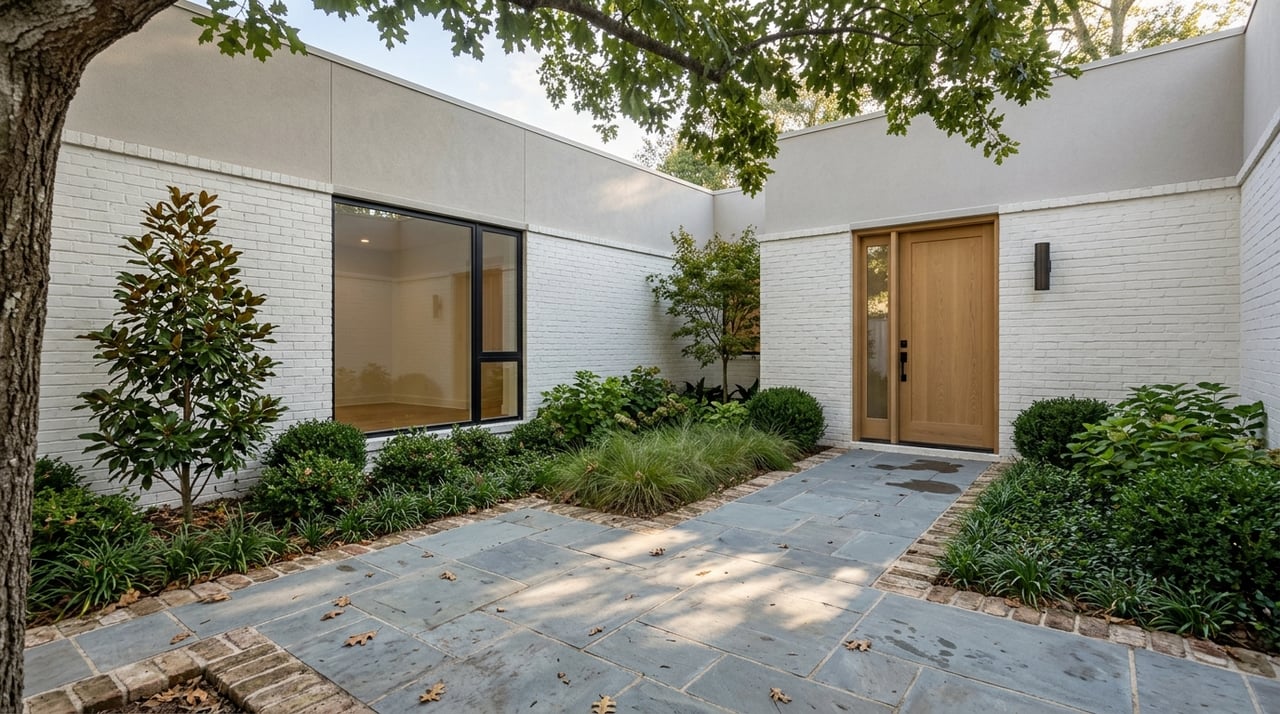
atlanta neighborhoods
Why Brookhaven continues to attract buyers looking for an intown location with a neighborhood feel
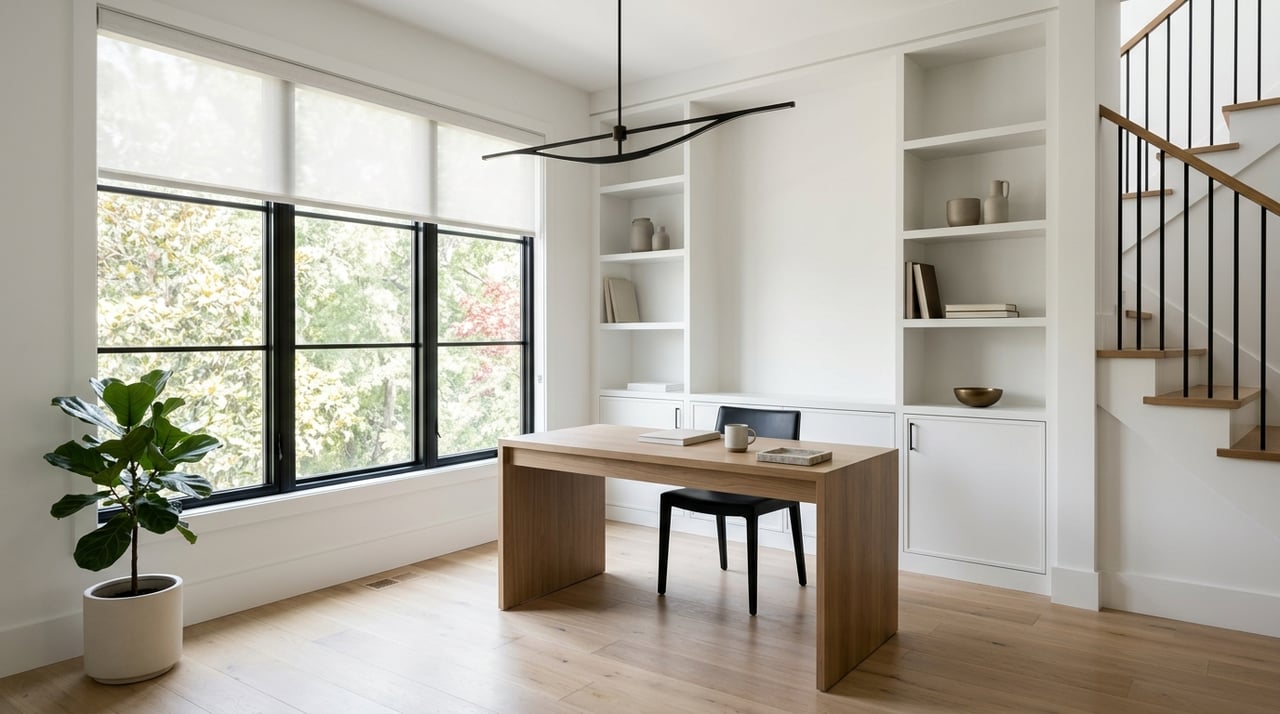
From Downtown Alpharetta to Avalon, a local look at what makes this North Fulton community different.
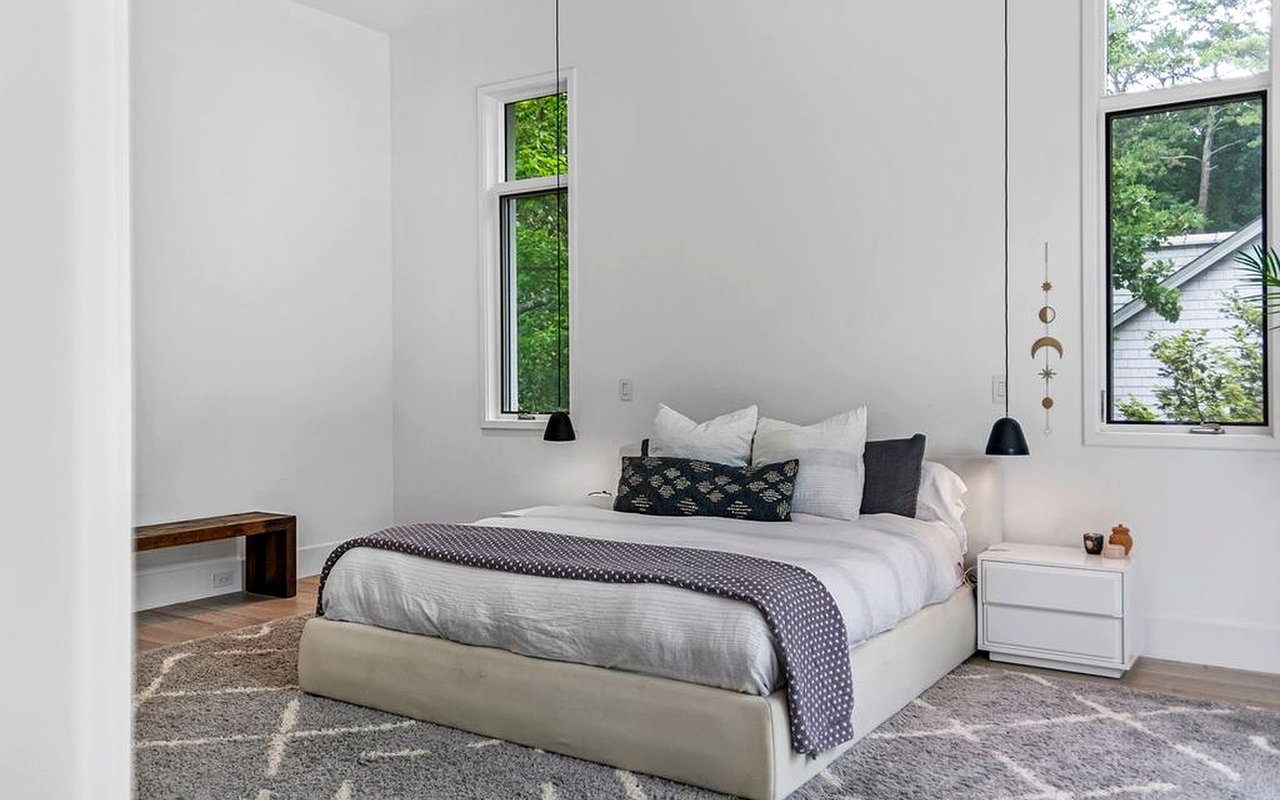
downsizing
How to decide whether your current home can work for the long term or if another home might make more sense.
We pride ourselves in providing personalized solutions that bring our clients closer to their dream properties and enhance their long-term wealth. Get assistance in determining current property value, crafting a competitive offer, writing and negotiating a contract, and much more. Contact us today to discuss all your real estate needs!

LINDSAY LEVIN TEAM
3744 ROSWELL RD NE ATLANTA GA 30342