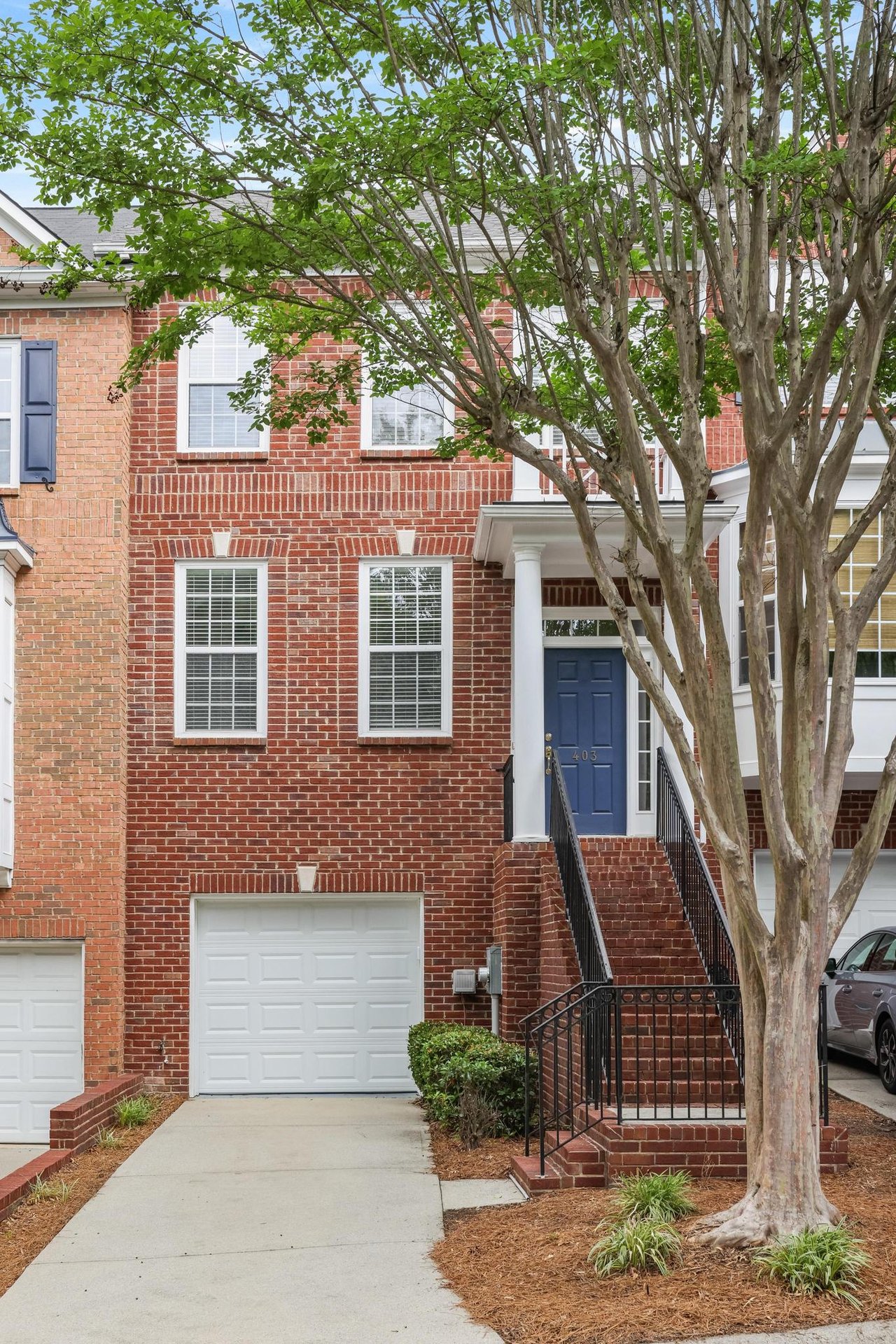
Buying a Condo or Townhome in Sandy Springs: What You Need to Know
home buying June 4, 2026
home buying June 4, 2026
By Lindsay Levin
When people picture Sandy Springs real estate, they often think first about established neighborhoods and single-family homes. But Sandy Springs also has a surprisingly broad condo and townhome market, and the options are very different depending on where you look and how you want to live.
You can find older condo communities at relatively approachable price points, traditional two-story townhomes, newer luxury townhomes with elevators and garages, and lower-maintenance properties close to City Springs, the Perimeter area and MARTA.
For some buyers, that makes attached living an alternative to a single-family home. For others, particularly homeowners who are rightsizing, it can offer an entirely different lifestyle.
I grew up in Sandy Springs and live here today, and one of the things I think buyers often underestimate is how much the city varies from one area to another. The same is true of its condo and townhome communities.
I wouldn't begin a search by deciding you need a condo or a townhome.
I would start with what you are trying to change about the way you live.
Do you want to eliminate yard work? Do you travel frequently and want something you can lock and leave? Do you want to walk to dinner or events at City Springs? Do you need a garage? Is a main-level primary bedroom important? Would an elevator make a multi-story property work? Do you still want enough space for children and grandchildren to visit?
Those answers will narrow the search much more effectively than simply checking a “condo” or “townhome” box online.
Location changes the experience considerably.
Around City Springs and Roswell Road, buyers can find condos and townhomes with easier access to restaurants, shopping, City Green and the Sandy Springs Performing Arts Center. This can be particularly appealing to someone who wants to give up some of the maintenance of a larger property without giving up an active neighborhood.
Closer to Perimeter Center, the appeal is often different. Access to GA-400, I-285, MARTA, major employers and healthcare can become the priority.
Elsewhere in Sandy Springs, you will find attached communities tucked into much more residential settings. These may offer less walkability but more space, privacy, garages or a more traditional neighborhood feel.
That's why I wouldn't evaluate “Sandy Springs condos” as a single market. The location and community matter enormously.
This is one of the biggest changes I have seen in Sandy Springs.
When I was growing up here, Sandy Springs didn't have a real downtown. City Springs has given the city a center, with City Hall, the Performing Arts Center, City Green, restaurants, community events and residential development all concentrated in one area.
That matters for real estate.
For homeowners who love Sandy Springs but no longer want a large house and yard, there are now more opportunities to change the type of home they own without necessarily leaving the community where they have spent years building relationships and routines.
I think that's an important distinction between downsizing and rightsizing. Sometimes the goal isn't substantially less space. It's less responsibility.
For buyers coming from a single-family home, a townhome can sometimes be an easier transition.
You may still have multiple bedrooms, a garage, storage and clearly defined living spaces, but with less exterior maintenance than you had before.
Newer Sandy Springs townhomes may also include features such as elevators, first-floor guest suites, rooftop or covered outdoor spaces and larger garages.
But don't assume “townhome” automatically means low maintenance.
Association responsibilities vary considerably. In some communities, the HOA handles most exterior maintenance and landscaping. In others, the homeowner remains responsible for far more than expected.
Understanding exactly what you own and exactly what the association maintains is essential.
When you buy a single-family home, most of your inspection and due diligence revolves around the property itself.
With a condo, you are also buying into the financial and physical condition of the larger community.
That means I want buyers looking beyond the kitchen and primary bathroom.
How much money does the association have in reserves? Are major repairs anticipated? Has there been a recent special assessment? Is another one being discussed? What does the master insurance policy cover? Is there litigation involving the association? Are there rental restrictions? Who is responsible for windows, roofs, balconies or other exterior components?
A beautifully renovated unit doesn't compensate for a poorly managed association.
Buyers sometimes see a high monthly HOA fee and immediately dismiss a property.
I don't think that's always the right analysis.
The better question is: What are you getting for the fee?
One community may include exterior maintenance, landscaping, water, certain insurance costs and amenities. Another may charge less but leave substantially more responsibility with the homeowner.
If you are comparing a condo or townhome with a single-family house, consider the expenses you would otherwise pay independently: landscaping, exterior maintenance, roof replacement, amenities and sometimes utilities or insurance components.
That doesn't make a high HOA fee automatically worthwhile. It simply means the number needs context.
Association finances aren't only an issue for today's buyer.
They can affect your ability to sell the property later.
Insufficient reserves, deferred maintenance, litigation, insurance problems or significant special assessments can make buyers nervous and, in some cases, make financing more difficult.
Condo lending requirements have also become more important in recent years as lenders and agencies scrutinize building condition, reserves, insurance and deferred maintenance more closely.
Before buying, I want to understand whether the property is simply attractive today or is also likely to remain financeable and marketable when you eventually sell.
For buyers thinking long term, an elevator can significantly change whether a townhome works.
A four-story townhome may look like the opposite of aging in place. Add a well-positioned elevator that accesses the garage, living level and bedrooms, and the analysis changes.
But I would still look carefully at the floor plan.
Can you live comfortably in the home if the elevator is temporarily out of service? Where is the primary bedroom? How many stairs are required to enter the property? Is there a bathroom on the main living level? Is the garage easily accessible?
An elevator is an important feature, but it doesn't automatically make every multi-level property a good long-term choice.
This is one of those things buyers sometimes don't think about until after they move.
Does the unit have assigned parking? A private garage? How many cars can you realistically accommodate? Where do guests park? Are there restrictions on overnight vehicles?
If you entertain frequently or expect adult children and grandchildren to visit, guest parking can matter considerably.
I would rather discover that during the home search than after closing.
A buyer purchasing a primary residence may assume rental restrictions aren't relevant.
They can be.
Your circumstances may change. You could relocate temporarily, inherit another property, decide to spend part of the year elsewhere or simply want the option to rent rather than sell during a difficult market.
Some communities prohibit rentals entirely. Others cap the percentage of rental units or maintain waiting lists.
Those restrictions can also influence financing and resale, so they are worth understanding before you purchase.
For someone leaving a single-family home, the transition to attached living can involve real trade-offs.
You may give up a private backyard, some storage, distance from neighbors and complete control over exterior decisions.
In return, you may gain freedom from yard work and exterior maintenance, the ability to travel more easily, access to amenities and a location closer to the places where you actually spend your time.
For many of my clients, that trade becomes much more appealing once they stop thinking exclusively about square footage.
A 3,000-square-foot home that uses every room well may serve you better than a 5,000-square-foot house where an entire floor is rarely used.
This is one of the biggest misconceptions about condo and townhome living.
There is still maintenance inside the home. There are association rules. There may be assessments. An elevator may require servicing. Depending on the governing documents, you may still have responsibility for certain exterior components.
The goal isn't necessarily to eliminate every housing responsibility.
It's to decide which responsibilities you no longer want and find a community structured accordingly.
When I help someone evaluate a Sandy Springs condo or townhome, I want to understand both.
We need to like the home, but we also need to understand the association, financials, rules, insurance, maintenance responsibilities, amenities, parking and potential resale considerations.
My background as a former commercial real estate attorney is particularly useful here because I naturally look beyond the physical property to the documents and obligations that come with it.
The prettiest unit isn't necessarily the best purchase.
The goal is to find the property, community and financial structure that all make sense together.
Yes. Sandy Springs has townhomes across a wide range of price points, including newer luxury properties with features such as elevators, garages, upscale finishes and substantial living space. Location and community amenities vary considerably.
It can be an excellent option, particularly for homeowners who want to remain close to Buckhead, the Perimeter area, healthcare, restaurants and their existing community. Condos and townhomes can provide lower-maintenance alternatives without necessarily requiring a dramatic reduction in living space.
It depends on the individual property. An elevator building or one-level condo can offer advantages, while some multi-story townhomes may be less practical unless they have an elevator or flexible bedroom arrangement. Entrances, stairs, parking and the interior floor plan all need to be evaluated.
In addition to inspecting the unit, review the association's governing documents, budget, reserves, insurance, assessments, maintenance responsibilities, rental restrictions and available information about planned capital projects or litigation. Financing requirements should also be investigated early.
That depends on the fee and what it includes. Rather than comparing HOA fees alone, compare the total monthly cost and the expenses or responsibilities the association is taking off your plate.
Yes. Depending on the type of financing, lenders may evaluate the condominium project as well as the individual borrower and unit. Insurance, deferred maintenance, litigation and other association issues can sometimes affect financing eligibility.
I'm Lindsay Levin, J.D., MBA, REALTOR® and Seniors Real Estate Specialist® with Berkshire Hathaway HomeServices Georgia Properties. I grew up in Sandy Springs, live here today and work throughout Sandy Springs, Buckhead and the surrounding Atlanta communities.
I help buyers look beyond the listing photos and compare the things that can make attached living either a great decision or an expensive surprise: location, association health, maintenance responsibilities, financing, resale and how the property will actually work for your lifestyle.
For homeowners who are rightsizing, I can also help compare the financial and lifestyle implications of remaining in a single-family home versus moving to a condo or townhome.
If you're considering condo or townhome living in Sandy Springs, contact the Lindsay Levin Team at atlreinsider.com and let's figure out which options actually make sense for you.
Stay up to date on the latest real estate trends.
downsizing
A Guide to Making Your Next Move With Confidence in Atlanta, GA
How the Right Expertise and Guidance Make All the Difference When You Sell a Family Home.

Your Complete Guide to Making a Smooth Move to a Smaller Home.
Buying a Home in Atlanta: Expert Tips From a Local Realtor | Lindsay Levin
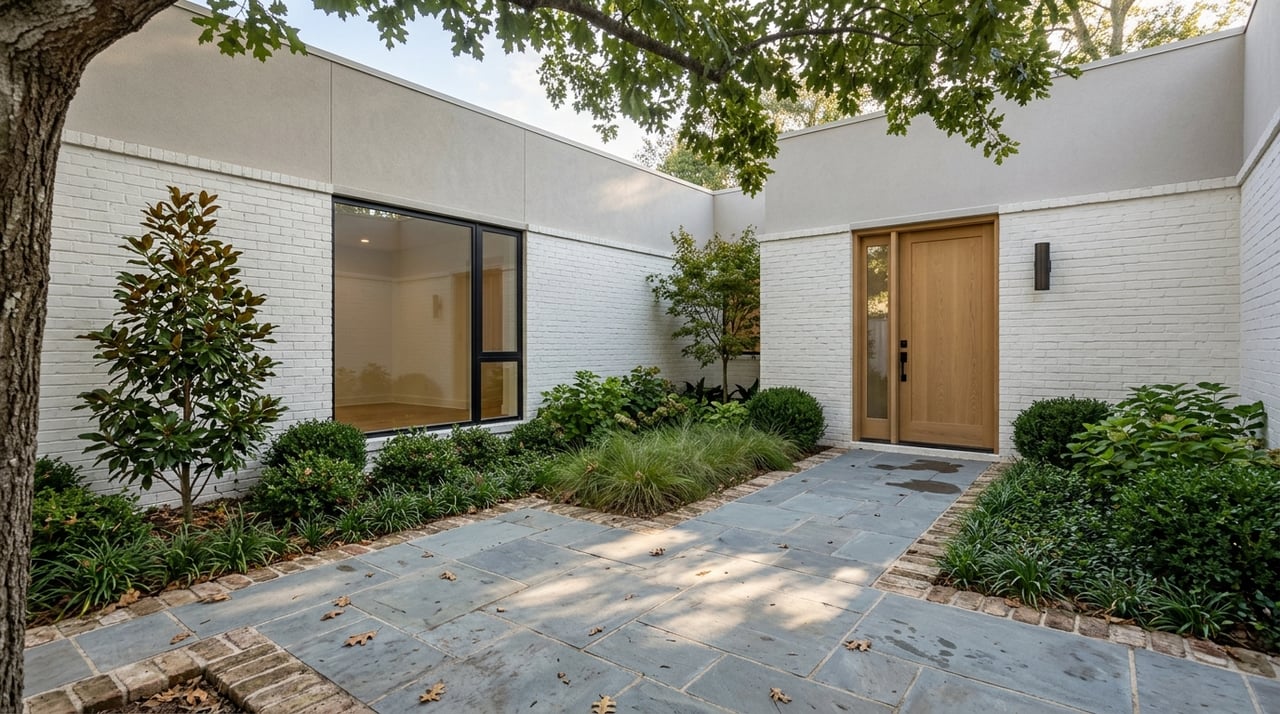
atlanta neighborhoods
Why Brookhaven continues to attract buyers looking for an intown location with a neighborhood feel
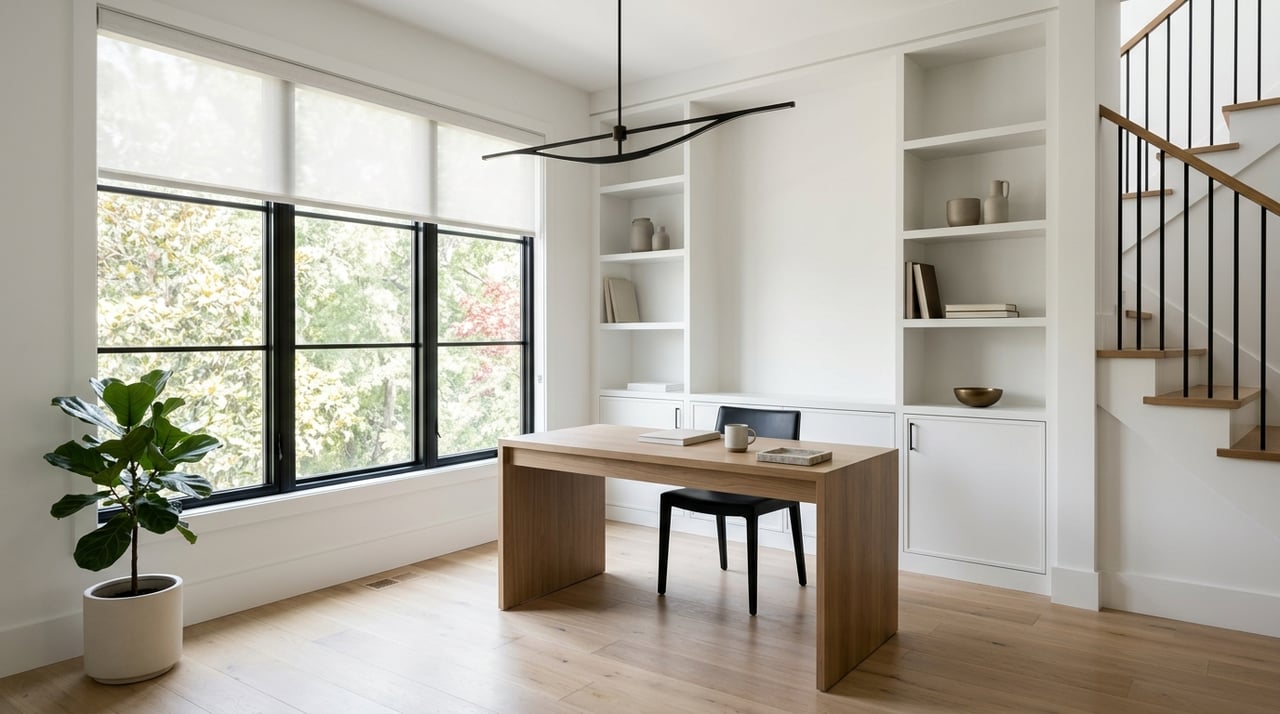
From Downtown Alpharetta to Avalon, a local look at what makes this North Fulton community different.
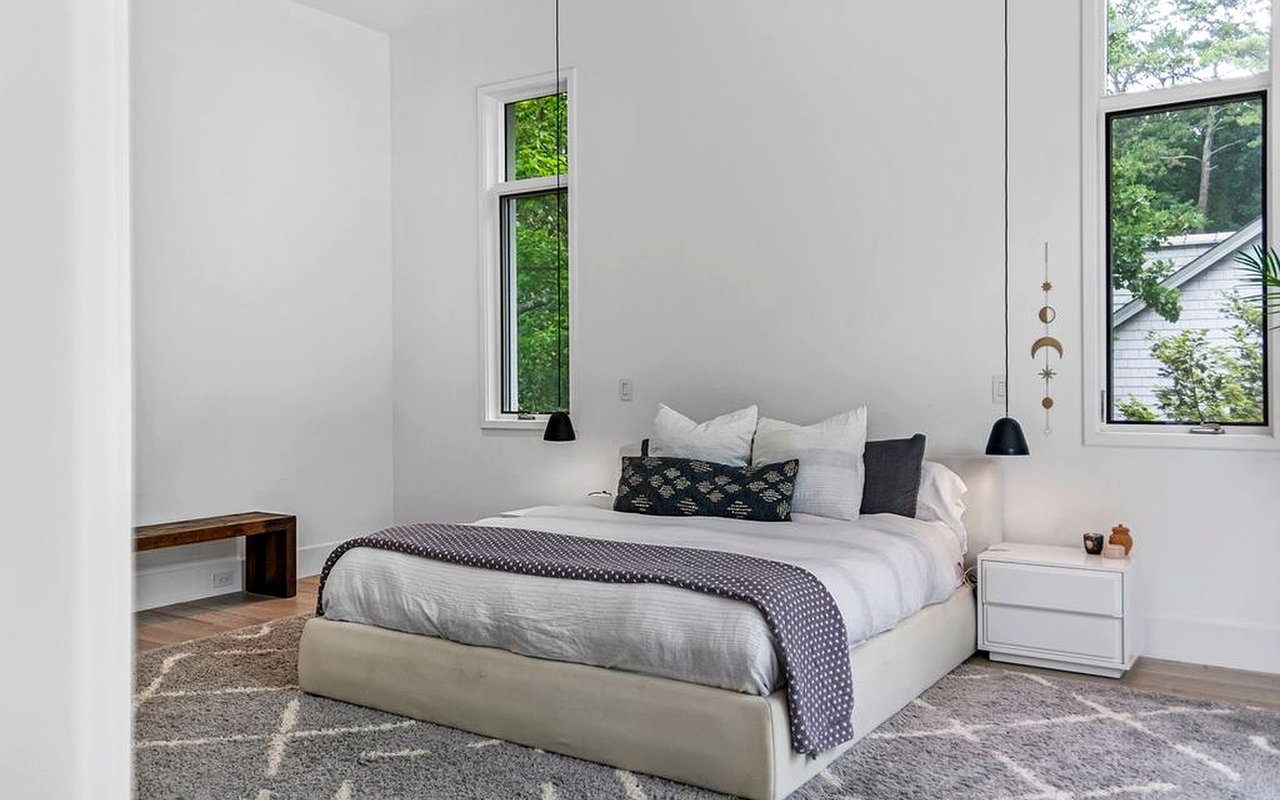
downsizing
How to decide whether your current home can work for the long term or if another home might make more sense.

What Makes the Best Country Clubs in Atlanta Worth Knowing About Before You Move.

home buying
Two popular North Atlanta communities, two very different ways to live. Here’s what buyers should know before choosing between them
We pride ourselves in providing personalized solutions that bring our clients closer to their dream properties and enhance their long-term wealth. Get assistance in determining current property value, crafting a competitive offer, writing and negotiating a contract, and much more. Contact us today to discuss all your real estate needs!

LINDSAY LEVIN TEAM
3744 ROSWELL RD NE ATLANTA GA 30342